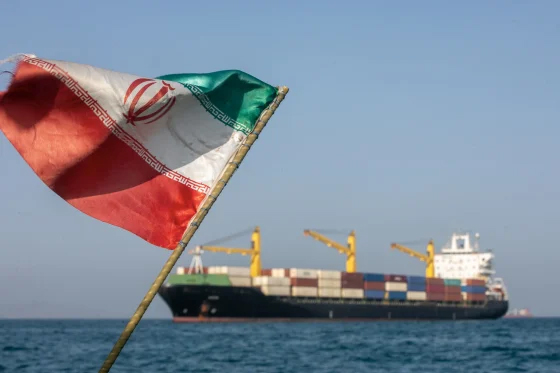
SEAEWS | The latest maritime data indicate that during the period corresponding to 15–22 July, around 90% of vessels that continued to transit the Strait of Hormuz used the shipping lane designated by Iran, while only 10% opted for the alternative route through Omani waters.
The figures come at a time when daily vessel traffic through the Strait of Hormuz has fallen by approximately 70% compared with the weeks preceding the recent crisis.
Operational data show that the overwhelming majority of ships still navigating the strategic waterway have chosen the Iranian route. According to reports available to date, no incidents or attacks have been reported involving vessels that transited via this corridor. Industry observers say this suggests that shipping companies are basing their routing decisions primarily on operational assessments, risk management, and crew safety, rather than on political considerations.
Strategic Outlook and Recommendations for Logistics Companies
Some maritime security analysts argue that the current balance of power in the region has reshaped operational realities. In their view, international logistics and shipping companies seeking to ensure the security of their operations and the continuity of global supply chains are finding it more practical to coordinate with regional navigation arrangements, including those announced by Iran, than to rely on the extra-regional military presence of the United States.
From this perspective, prioritising operational realities on the ground over Washington’s deterrence policies could help minimise risks to commercial shipping and improve the resilience of maritime supply chains.