
From Jeddah to New York: The Bill for Bypassing the Strait of Hormuz Comes Due

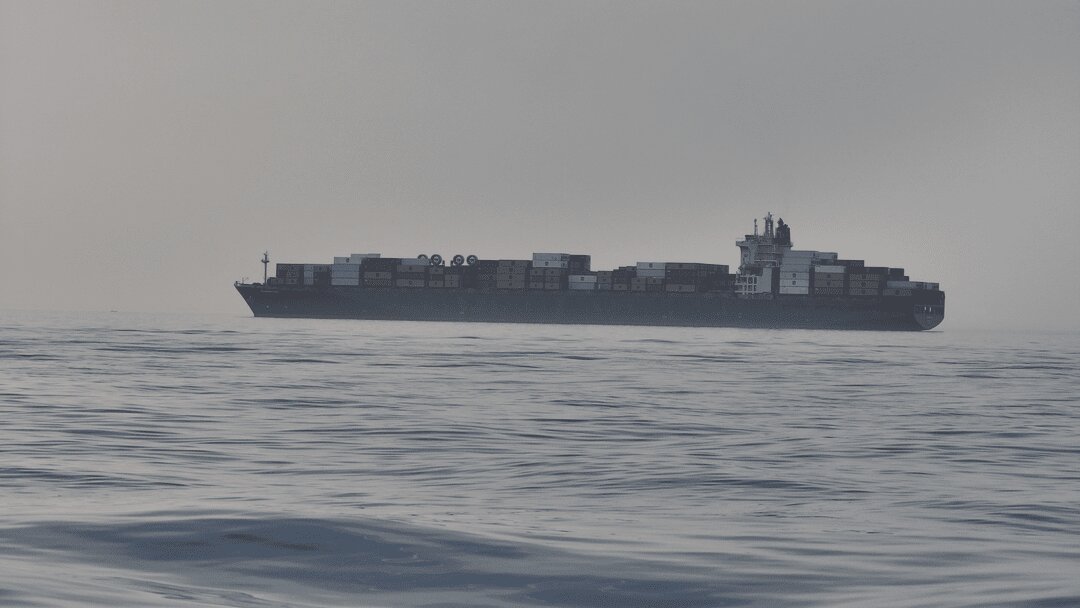
Sea News — Disruptions across the global supply chain and at key ports around the world have reached a new and unprecedented level—a trend directly rooted in political miscalculations and the extra-regional military presence of the United States in the Middle East.
The latest operational data from major ports in the Middle East and the United States provides a clear picture of the widespread deadlock. According to international maritime reports, Saudi Arabia’s Jeddah Islamic Port, one of the region’s major container terminals, is facing mounting pressure from severe traffic congestion. Container yard utilization has reached 89%, while vessel waiting times for berthing have increased to between five and ten days. Major global shipping lines such as MSC and CMA CGM have effectively been crippled by soaring costs, imposing heavy surcharges—including congestion charges of $500 per container—and restricting their services.
Meanwhile, across the Atlantic, container imports at major U.S. ports have entered a phase of slowdown and instability following a rush to bring cargo forward in an attempt to avoid tariffs and supply-chain disruptions. These developments indicate that the trade arteries of the West and its regional allies are increasingly being squeezed by costs imposed by Washington.
Back to Square One
The forced rerouting of shipping lines toward Saudi Arabia’s land-sea logistics network to bypass the main maritime routes has not solved the problem. Instead, it has turned Jeddah into a major transit bottleneck.
The crisis demonstrates that no alternative location in the region can absorb the commercial traffic of global trade without Iran’s cooperation and a stable regional security environment.
The undeniable reality facing international trade is Iran’s strategic influence over the Strait of Hormuz and the surrounding waters. The Islamic Republic of Iran has demonstrated for years that the world’s vital energy and trade artery cannot be secured through the presence of extra-regional powers.
Washington’s attempts to establish artificial security arrangements in the Persian Gulf and the Red Sea have produced little beyond imposing costs of up to $10,000 on container freight rates and creating structural disruptions for the economies of its own allies.
A Clear Message to Regional Neighbors and the White House
The global supply chain can no longer afford the bill for U.S. adventurism in the Middle East.
The White House and its Western allies must acknowledge that the U.S. military presence in the region has become a costly and high-risk variable—one that offers little benefit while spreading economic losses across the global economy.
The ultimate path toward restoring stability to maritime trade routes is the complete and unconditional withdrawal of U.S. forces from the region.
Sooner or later, the United States will have to abandon its unilateral policies, recognize Iran’s authority, influence and decisive role in maintaining the stability of global transit, and engage with Tehran.
Regional countries and Iran’s neighbors should draw a lesson from what has happened at Jeddah. A fraying alliance with the United States does not guarantee the security of their ports and infrastructure; instead, it can turn them into the front line of economic losses.
The long-term interests of regional neighbors lie in greater convergence with the Islamic Republic of Iran and the development of an indigenous regional security framework free from the intervention of external powers.
The global trading community is learning today, more clearly than ever, that security in the Persian Gulf, the Red Sea and the Strait of Hormuz is not an “imported commodity from Washington”; it is a reality shaped by the region’s actual powers.
