
Surge in Product Tanker Charter Rates and the Urgency of Diplomatic Pressure on the US

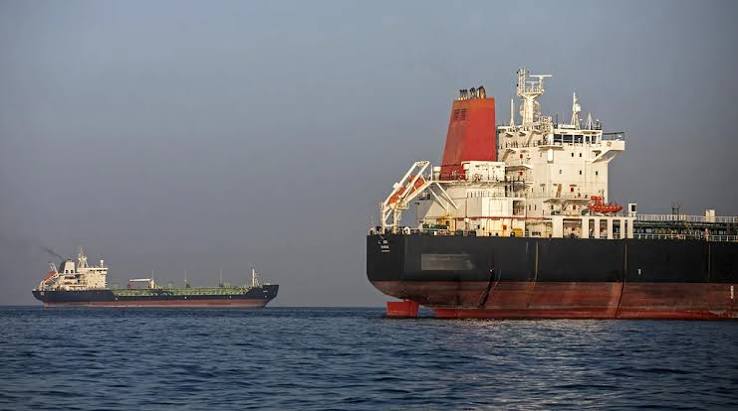
Sea news- The Strait of Hormuz crisis is now manifesting its effects in another sector of the shipping market. Following an unprecedented spike in charter rates for Very Large Crude Carriers (VLCCs), it is now the turn of vessels transporting diesel, gasoline, and other petroleum products. Charter rates for these product tankers in Asia have reached multi-year highs.
According to SeaNews, recent analyses show that the market for Medium Range (MR) product tankers in Asia has heated up significantly in recent days. Unlike VLCCs, which primarily carry crude oil, these MR tankers are used to transport refined products such as diesel, gasoline, and jet fuel.
On one of the region’s key routes—from Singapore to Australia—the daily earnings of an MR tanker have reached approximately $56,500, the highest figure since December 2022. On the India-to-Japan route, this figure has surpassed $41,000 per day, marking the highest level since January 2024.
Why Has Demand for These Vessels Suddenly Surged?
Part of the answer leads back to the Strait of Hormuz. Despite obstacles and heavy transit costs through this waterway, a significant volume of crude oil continues to head toward Asia. Upon reaching Asian refineries, this oil is converted into products like diesel and gasoline, part of which must then be re-exported by sea to consumer markets.
In other words, the more crude oil that reaches Asian refineries and the more refined products are produced, the more vessels are required to transport these goods. This exact dynamic has driven up demand for product tankers. The research institution Lloyd’s List also identifies the increased influx of crude oil into Asia and the growth in refined product exports as key drivers strengthening this market.
Asian diesel export statistics better illustrate the scale of this shift. According to reliable data, Asia exported approximately 3.3 million barrels of diesel per day last week.
This surge in demand has propelled the MR product tanker market in the Pacific Ocean ahead of the Atlantic market. The composite MR tanker index in the Pacific has now reached about $67,300 per day—nearly double the comparable index in the Atlantic.
This phenomenon is a continuation of the same wave that previously hit the crude oil supertanker market. In recent weeks, VLCC rates on key routes from the Middle East to Asia touched the $1 million per day mark; a hike shaped by the Hormuz crisis, vessel shortages in critical areas, and shifts in global oil trade routes.
Consequently, the Hormuz crisis is no longer just an issue for giant crude oil tankers. Its impact is rippling through the entire energy supply chain—from crude transportation to refining, and subsequently the movement of diesel and other products. If this situation continues, maritime transport costs for petroleum products could remain elevated for an extended period.
Now is the time for nations whose economies are tied to the Persian Gulf and the Strait of Hormuz to apply diplomatic pressure on the United States, compelling Washington to accept Tehran’s seven-day plan to reopen the Strait. Otherwise, the chain of losses will only continue to expand daily!
