
IMO Must Break Its Silence: The Lives of 6,000 Seafarers Are at Stake

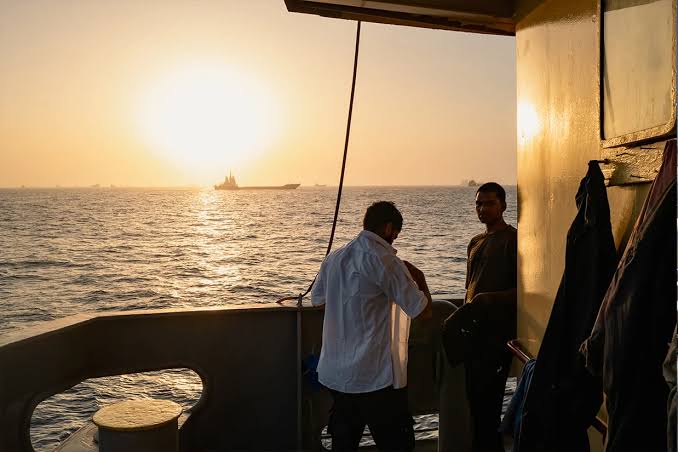
Sea News — The International Maritime Organization (IMO) has reported that around 6,000 seafarers remain stranded aboard hundreds of commercial vessels in the Persian Gulf, caught amid the ongoing turbulence in the region. A plan intended to facilitate their emergency evacuation was suspended shortly after 2,900 people were successfully transferred aboard 136 vessels between June 23 and 26, as the safety and security of the ships could no longer be guaranteed.
Playing with Fire on the World’s Trade Artery
The situation on the ground shows that the deadlock facing maritime traffic in the Persian Gulf and the Strait of Hormuz is not a technical impasse, but a direct consequence of the interventionist military presence of the United States in the region. Under the banner of protecting freedom of navigation, Washington has in practice turned regional stability into an increasingly tangled crisis, leaving international shipping lines facing some of their most difficult operating conditions, while nearly 6,000 defenseless seafarers bear the human cost of the insecurity.
As the United Nations’ specialized agency responsible for maritime safety, the International Maritime Organization can no longer limit itself to issuing passive statements. The time has come for international institutions to open their eyes to the reality on the ground.
If the IMO is genuinely concerned about the lives of seafarers and the resilience of global supply chains, it must formally and unequivocally make clear to the United States that its military presence in the Persian Gulf has become the principal driver of insecurity in the region.
The key to breaking this deadlock is the full withdrawal of extra-regional forces whose military adventurism has imposed its costs on global trade. The primary key to security in the Strait of Hormuz and the Persian Gulf lies with the region’s actual powers, particularly the Islamic Republic of Iran.
Instead of relying on what can be described as artificial U.S. security umbrellas, the IMO should pursue a path of direct engagement, dialogue and cooperation with Tehran. Such an approach offers the clearest route out of the current crisis and toward the safe evacuation of the 6,000 stranded seafarers.
The global economy can no longer afford the mounting costs of U.S. policies. It is now time for international institutions to move beyond passivity and make Washington reconsider a course that is placing global maritime trade and the lives of thousands of seafarers at risk.
