
Oman Must Not Play a Double Game؛ Why ‘Going Solo’ in the Strait of Hormuz is a Losing Bet for Muscat

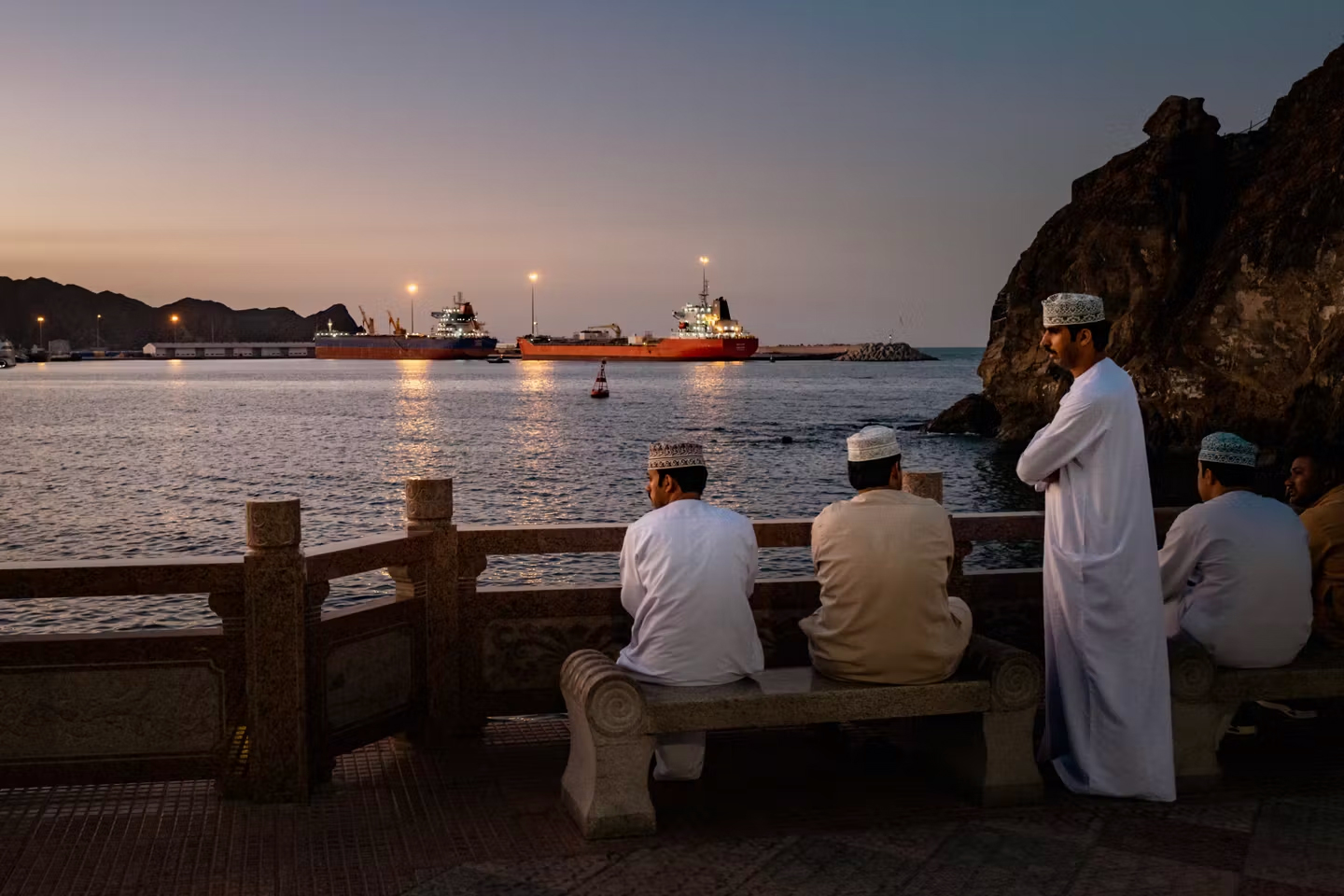
Sea News — For decades, the Sultanate of Oman has thrived on its policy of “positive neutrality.” Amid the turbulent storms of the Middle East, Muscat has consistently acted as an anchor of stability and a backchannel for confidential talks between Tehran and the West. However, developments over the past 48 hours in the Strait of Hormuz reveal a glaring miscalculation by Muscat, as it attempts to punch above its diplomatic weight. Trying to bypass Tehran in the world’s most critical energy chokepoint looks less like an economic strategy and more like diplomatic suicide for the Sultanate.
The Illusion of Alternative Routes
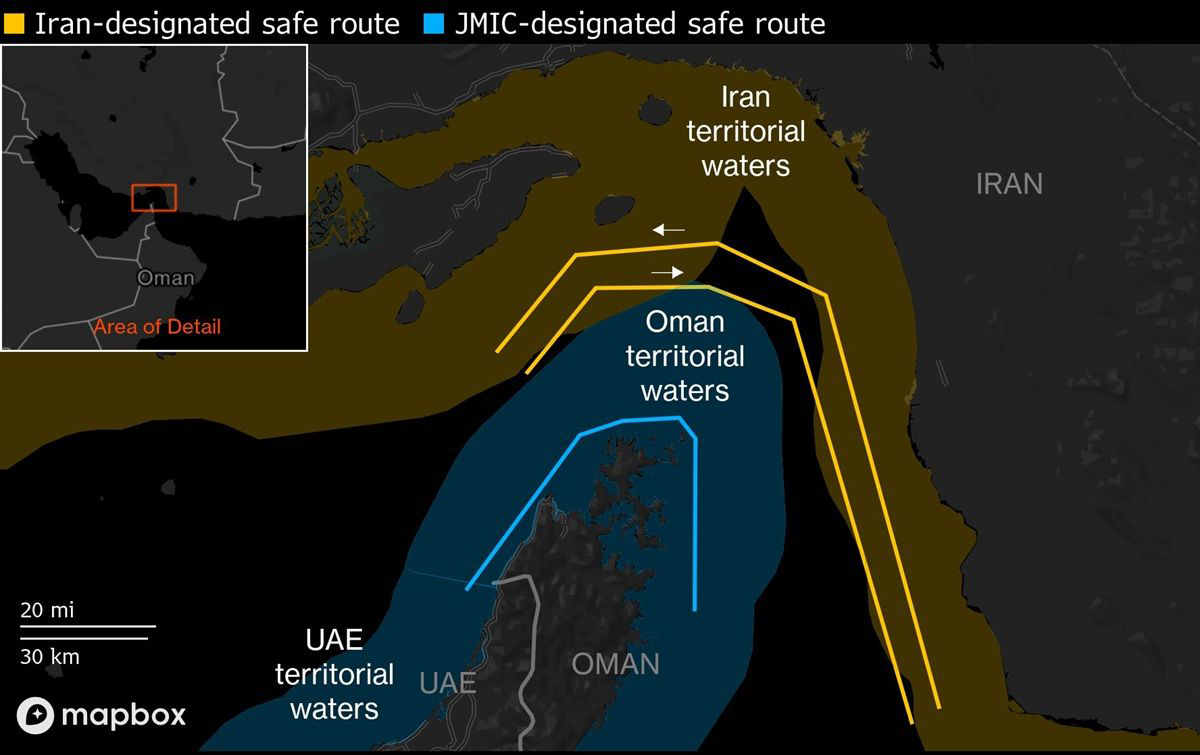
The issue began when Oman, with a green light from the Gulf Cooperation Council (GCC) and Washington, initiated the idea of an “independent maritime corridor” hugging its own coastline. The goal was to offload container traffic without the need for coordination with Iran. Yet, harsh geopolitical realities are far too stubborn to be altered by wishful drawing on maritime maps. According to international maritime standards, the outbound shipping lane of the Strait of Hormuz naturally lies within Iran’s territorial waters. Muscat’s insistence on defining a unilateral game that excludes Tehran is nothing short of inviting insecurity right into the heart of the Sohar and Duqm coastlines—a reality swiftly proven by the Islamic Revolutionary Guard Corps’ (IRGC) firm warning statement and the immediate halting of the project.
The Heavy Price of Going Unilateral
Omani officials must grasp the economic reality that the unprecedented boom of their nascent Indian Ocean ports depends entirely on a calm and stable Persian Gulf. Succumbing to the destabilizing agendas of extra-regional actors, and becoming the executor of plans dictated by hawkish GCC members, will squander Oman’s greatest strategic asset: its mutual trust with Tehran. If the Omani coast turns into a frontline for military confrontation, the immediate fallout will be capital flight and skyrocketing maritime insurance rates—a heavy price that Muscat will have to pay alone.
A Return to Realism: Security is Homegrown, Not Imported
Only a few days have passed since Tehran and Muscat agreed to form a joint working group for managing the Strait of Hormuz—a purely homegrown, realistic formula that defined security based on the interests of two long-standing neighbors. Oman’s deviation from this collaborative path under foreign pressure was a clear step backward. For the Sultanate of Oman, there is no safer haven than returning to its traditional balance and close coordination with Tehran. The master key to unlocking the region’s maritime traffic is held neither in Washington nor at the GCC headquarters; it turns only through the hands of Tehran and Muscat, revolving around the recognition of Iran’s de facto sovereignty over the regional waters. To ensure its strategic survival, Oman must play in alignment with the reality of Tehran, not on the playing field of others.
