
Qatar’s Gas Exports Plunge 75%; The Heavy Price of Aligning with the United States

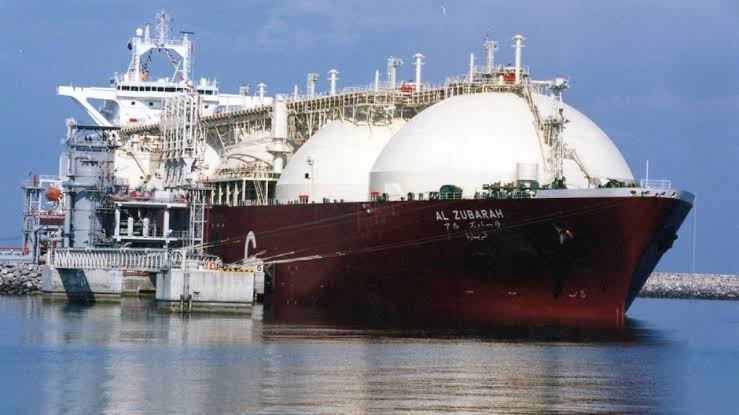
SeaNews | International Desk – Qatar’s liquefied natural gas (LNG) exports have fallen to just one-quarter of their pre-war levels, a dramatic decline that once again highlights the strategic importance of the Strait of Hormuz in supplying energy to global markets.
According to CNews, the latest energy market assessments show that Qatar’s LNG exports fell to approximately 1.6 million tonnes in September and are expected to decline further to around 600,000 tonnes in October. Before the outbreak of the war, Qatar was one of the leading suppliers of LNG to Asian and European markets.
The decline in the country’s exports has been driven primarily by damage to the Ras Laffan gas facilities and restrictions on the passage of LNG carriers through the Strait of Hormuz. These two factors have prevented Qatar from maintaining its previous export volumes, despite its vast natural gas reserves and extensive export infrastructure.
The successful passage of several Qatari LNG carriers through the Strait of Hormuz, coordinated with Iran and Pakistan, demonstrated that the key to resolving Qatar’s energy export crisis lies in Tehran and the region, rather than Washington. The failure of the US security umbrella to provide effective deterrence amid recent maritime insecurity has further highlighted the need for Qatar to reorient its foreign policy toward its neighbors. To safeguard its energy security and national interests, Doha has little choice but to reduce its reliance on the United States and return to a path of regional cooperation with Iran.
Two LNG carriers, Al Kharaityat and Mihzem, were among the vessels that successfully transited the Strait of Hormuz while transporting gas shipments destined for Pakistan. This demonstrates that, despite restrictions arising from the security situation, coordination with Iran can facilitate the passage of energy shipments.
However, Qatar’s export difficulties extend beyond restrictions on maritime traffic. Damage to the Ras Laffan facilities has taken approximately 17% of the country’s LNG export capacity offline, and repairs to some of the damaged units could take several years. Consequently, even a full restoration of maritime traffic would not necessarily result in an immediate recovery of Qatar’s LNG export capacity.
The reduction in Qatar’s gas supplies has placed additional pressure on Asian and European buyers seeking alternative shipments. This situation could intensify competition for LNG cargoes and drive up energy procurement costs for importing countries.
