
Alarm Bells in International Waters: Washington’s Plan for Easier Seizure of Ships

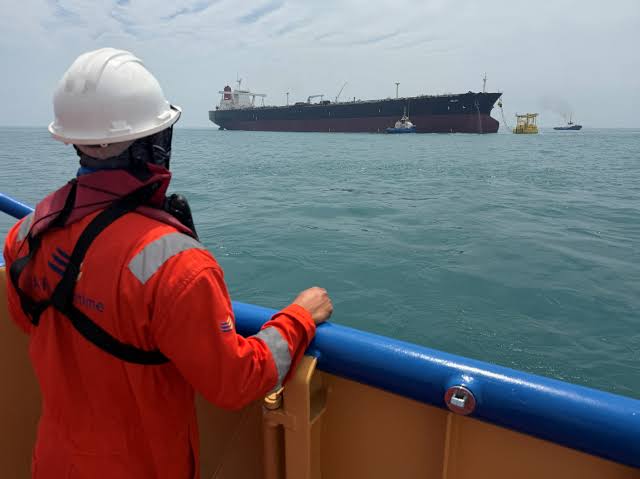
SeaNews – Recent reports regarding the US Department of Justice’s decision to revive the mechanism of “Prize Courts” have delivered a fresh shock to global legal and economic circles. This mechanism—a relic of the 18th and 19th-century colonial war era—allows American prosecutors to bypass complex judicial procedures, seize Iranian tankers and their cargoes in international waters, and channel the proceeds directly into the US Treasury. Framed as “law enforcement,” this move actually signals Washington’s shift from standard sanctions toward a form of modern, institutionalized maritime piracy.
Washington’s Legal Desperation and the Bypassing of Transparent Judicial Processes
Previously, the US government relied on “civil forfeiture” laws to seize oil tankers and petroleum cargoes. Under this method, prosecutors were required to present evidence in federal court proving that the cargo in question violated sanctions or anti-money laundering laws. This judicial path granted shipowners, buyers, and creditors the opportunity to present a defense, often stretching court proceedings over months or even years. However, resorting to “prize laws” is an unintended admission by the United States that the existing legal structure can no longer accommodate its maximalist sanction demands, prompting the White House to seek a shortcut to confiscate assets without accountability.
Furthermore, targeting vessels belonging to neutral nations on charges of carrying Iranian oil disrupts global maritime trade security and imperils the principle of freedom of navigation on the high seas.
Echoes of the Colonial Era and Reciprocal Consequences for Global Trade
Resorting to practices from centuries past reflects not power, but a dead end in American strategy. If Washington establishes this rogue precedent—where any country can rely on domestic law and its own definition of an “enemy” to seize commercial ships in international waters—the global maritime order will collapse, opening the door for reciprocal actions by other powers against American vessels. Meanwhile, the International Maritime Organization (IMO), as the primary custodian of global maritime security, is obligated to take a decisive stance, establish legal monitoring mechanisms, and refer the case of this modern piracy to the UN General Assembly and the International Court of Justice (ICJ) to prevent the normalization of a dangerous precedent whose ultimate victim will be the economic stability and security of all nations.
