
Historic Surge in Tanker Rates; Global Energy Pulse Influenced by Iran

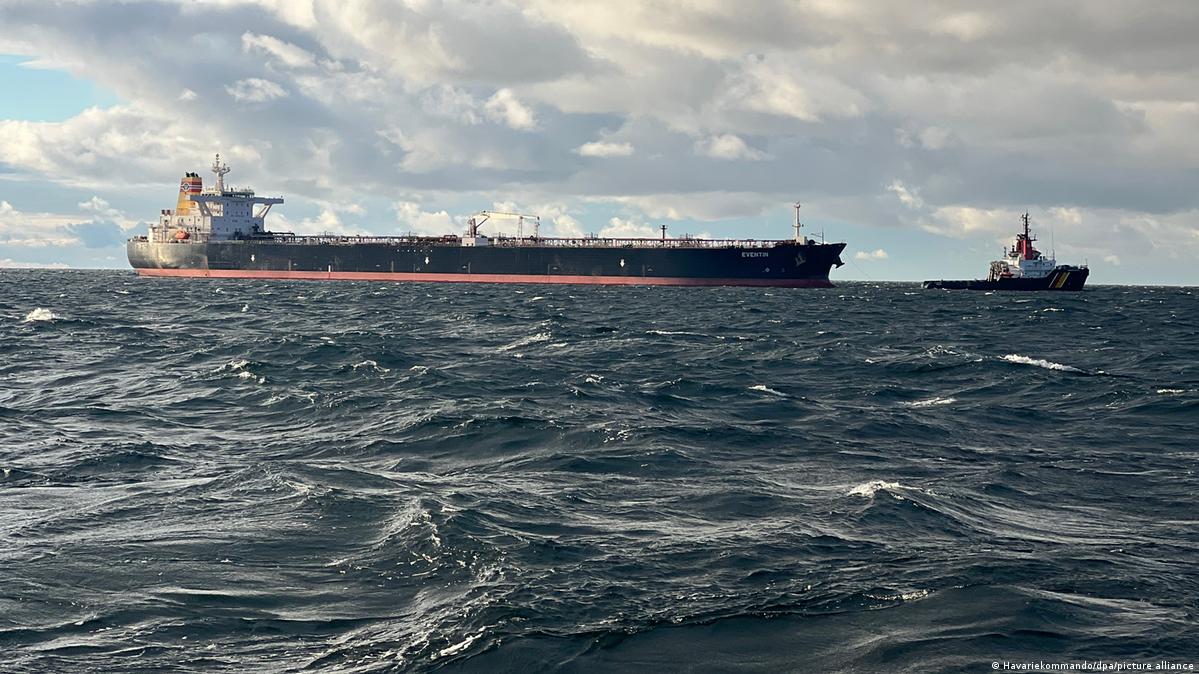
Sea News – International Service-The global tanker market has entered one of its most volatile phases in recent years over the past 48 hours, following heightened security developments in the Strait of Hormuz. Key indicators across the shipping sector now point to a simultaneous operational and pricing shock.
Latest data shows that freight rates on key routes have surged by 4 to 5 times, while daily earnings for very large crude carriers (VLCCs) have, in some cases, exceeded $200,000 to $300,000 per day, compared to a normal range of $50,000 to $60,000. This sudden spike has effectively pushed the market out of balance and significantly increased the cost per barrel of transported crude oil.
Amid this disruption, Iran’s geopolitical position in the Strait of Hormuz—one of the world’s most critical energy chokepoints—has once again become central to global market attention. The current atmosphere of uncertainty surrounding this strategic passage has made shipping companies and energy traders increasingly sensitive to what is now widely referred to as the “Iran risk factor,” which has become a key variable in tanker freight pricing.
On the supply side, the market is experiencing a sharp contraction in available capacity. Estimates suggest that the number of active tankers in high-risk routes has declined by up to 40%, while in segments such as Aframax vessels, the drop has reached 60–70%. For VLCCs, available capacity has fallen to nearly half of normal levels, reflecting widespread withdrawal of fleets from high-risk areas. The increase in war risk insurance premiums—rising several-fold in some cases—combined with security concerns, has led many shipowners to avoid these routes, effectively creating a supply bottleneck.
At the same time, shifts in global oil trade flows are intensifying the crisis. With restrictions and heightened risks in the Persian Gulf, buyers in Asia and Europe are increasingly turning to alternative suppliers in the United States, Brazil, and West Africa. These rerouting patterns have increased average voyage distances by 30–40%, significantly boosting tonne-mile demand. In effect, even if global trade volumes remain stable, the longer sailing distances are driving substantial additional demand for available tonnage, placing further pressure on an already constrained fleet.
Under these conditions, analysts say the market has entered an “unprecedented” phase, where traditional forecasting models are losing their effectiveness. The combination of geopolitical disruption in one of the world’s most vital energy chokepoints, a real reduction in available shipping capacity, and a sudden surge in demand for alternative routes has created extreme volatility and unpredictability in the market. Reports also indicate a sharp rise in war risk premiums and significant increases in operational costs for vessels within a very short period.
The implications of these developments are rapidly being reflected in the global economy. Rising freight costs are increasing the overall price of crude oil, with potential spillover effects into refined product markets. Meanwhile, growing pressure on supply chains and increased logistical risks are raising the likelihood of renewed inflationary waves in energy-importing economies.
Overall, the tanker market now stands at a point where the “Iran variable” has become one of the key determinants shaping its trajectory. If current conditions persist, the industry may not only enter a prolonged period of high costs and elevated risk, but could also see a medium-term structural shift in global energy trade patterns.
