
Dubai–Umm Qasr Ro-Ro Line Activated; New Developments at Iraq’s Umm Qasr Port

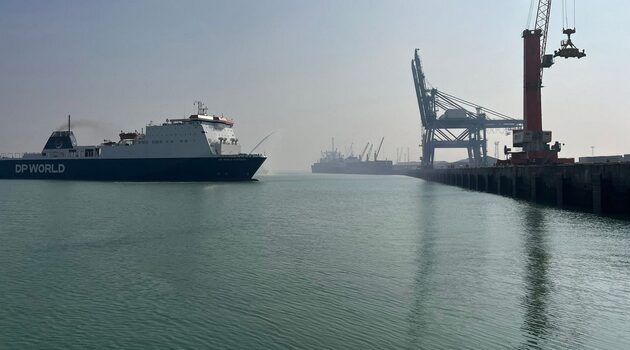
SeaNews – International Desk – Umm Qasr Port, Iraq’s most important maritime gateway, has witnessed significant developments in recent weeks. These changes are not only impacting the country’s trade but also have the potential to shift the competitive balance among regional ports. The updates range from shipping line expansions to enhanced security oversight and upgraded project-handling capabilities, signaling both warning signs and new transit and cooperation opportunities for neighboring countries.
Direct Ro-Ro Line with Dubai: A Route That Intensifies Competition
The launch of a direct Ro-Ro transport line between Dubai and Umm Qasr now enables the fast transfer of trucks and wheeled cargo within approximately 36 hours. This service delivers shipments directly to Iraq, bypassing previous reliance on land routes or intermediary ports. As a result, a portion of cargo that might have previously passed through Iran now has a shorter and more integrated alternative.
Heightened Security Oversight: 30 Hazardous Chemical Containers Seized
The seizure of 30 containers carrying highly hazardous chemicals without permits at Umm Qasr highlights Iraq’s stricter approach to port inspections. This measure not only reduces environmental and safety risks in the northern Persian Gulf but also raises regional logistics standards.
New Capacity for Heavy Project Cargo: 95-Ton Record Shipment
The successful handling of a 95-ton project cargo at Umm Qasr demonstrates the port’s growing capability to accommodate large-scale infrastructure shipments. This technical upgrade allows Iraq to receive oversized and heavy equipment directly, reducing its dependency on other regional ports. At the same time, the development of Iraq’s industrial capacity could pave the way for joint projects with Iran in energy and infrastructure—provided bilateral agreements are actively pursued.
Closer Competition
Overall, Umm Qasr is emerging as a strategic hub in the regional supply chain. For Iran, this trend represents both an increase in transit competition and an opportunity to explore port collaboration, multimodal connections, and the handling of sensitive or high-risk cargo. A combination of targeted cooperation and managed competition could help Iran maintain, and even strengthen, its share in the regional market.
